

$12.3 million investment powers next phase of Australian quantum innovation
Six Australian quantum projects have secured government funding to advance solutions for health, energy, biosecurity and logistics, including two led by Quantum Australia’s NextQ graduates.

Australia’s quantum sector has received a significant boost, with the Australian Government committing $12.3 million to help six projects move from feasibility studies into demonstrator development.
The investment through Round 2 Stage 2 of the Critical Technologies Challenge Program backs Australian companies to demonstrate what quantum technologies can deliver for industry and communities. It is a strong vote of confidence in Australia’s quantum capability and its potential to address nationally significant challenges.
For Quantum Australia, the announcement also marks an exciting milestone for NextQ graduates FeBI Technologies and Q Factorial, which have secured a combined $3.3 million to advance projects in First Nations health and supply chain optimisation.
Quantum Australia CEO Petra Andrén said the funding would help build momentum across Australia’s quantum sector.
“This is an exciting investment in Australian quantum innovation. It backs local companies to take the next step: demonstrating how their technologies can address challenges that matter to industry and communities,” Ms Andrén said.
“Australia’s strengths span quantum computing, sensing and the technologies that enable them. The breadth of these projects shows just how many opportunities there are to put that expertise to work.
“We’re especially pleased to see NextQ graduates FeBI Technologies and Q Factorial among the recipients. Supporting emerging quantum businesses to build their commercial capability is central to Quantum Australia’s work, and it is fantastic to see these teams progressing.
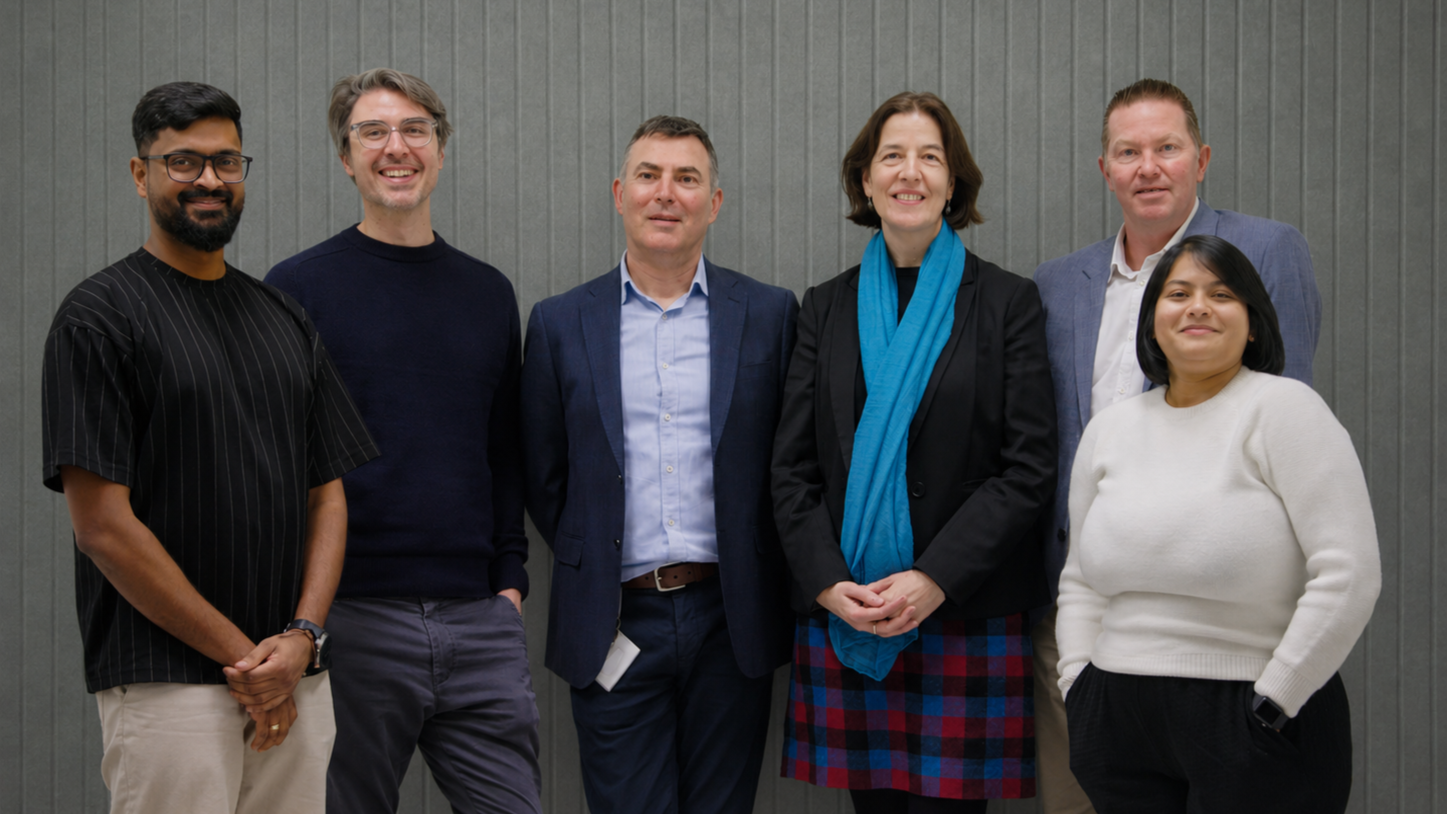
NextQ graduates take the next step
FeBI Technologies: quantum sensing for better health outcomes
Victorian company FeBI Technologies will receive $2,197,076 to develop quantum sensing technology aimed at improving the testing and diagnosis of iron deficiency in First Nations peoples.
The project brings together technology development, research and healthcare expertise, with partners including Dijan Training Program, Planet Innovation, Sunrise Health Service Aboriginal Corporation, the Florey Institute of Neuroscience and Mental Health, and the University of Melbourne.
With a focus on improving diagnosis, the project highlights the potential for quantum sensing to address health challenges and support better outcomes for First Nations communities.
Q Factorial: improving delivery and transport planning
Queensland-based Q Factorial will receive $1,126,846 to develop a smart software platform using a quantum solver for supply chain optimisation and last-mile delivery.
Its consortium connects major technology providers with researchers and industry partners, including Amazon Web Services, Fujitsu Australia, Griffith University, IBM Australia, Ipec, Monash University, Opal Packaging Australia, Team Global Express and the University of Queensland.
The project will advance quantum approaches to complex logistics challenges, with the aim of improving delivery and transport planning.
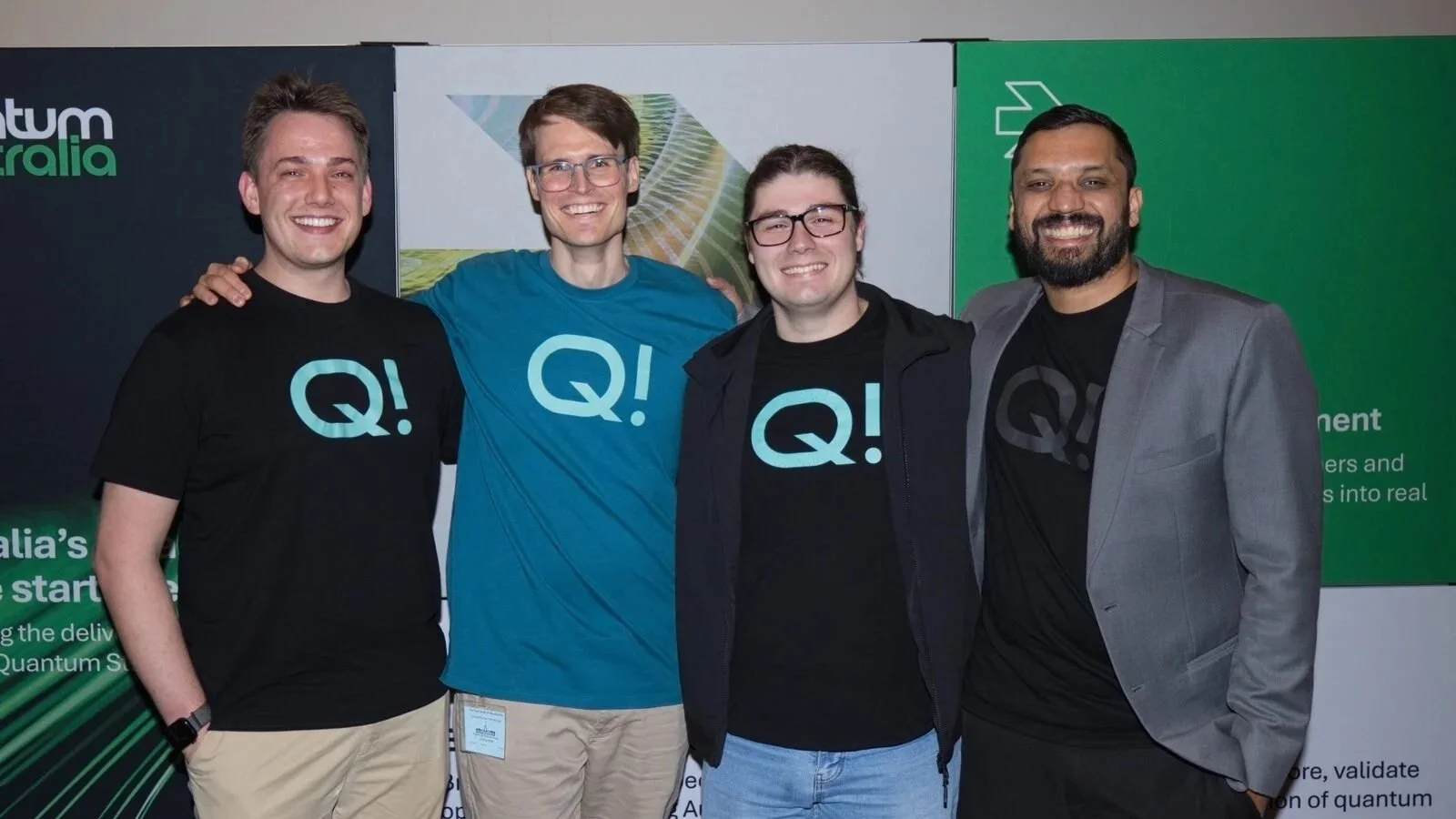
Australian quantum expertise tackling national challenges
Silicon Quantum Computing: quantum and AI for smarter energy networks
Sydney-based Silicon Quantum Computing will receive $3.6 million to expand the development of its quantum-enhanced artificial intelligence processor with Schneider Electric.
Working with the University of New South Wales, SQC will integrate its quantum hardware with Schneider Electric’s AI models to improve energy forecasting and support renewable energy utilisation. The project aims to make Australia’s energy networks more efficient, sustainable and secure.
QuantX Labs: reliable timing for the electricity grid
South Australian company QuantX Labs will receive $2.2 million to build and test an advanced quantum clock that can keep the electricity grid accurately timed without relying on external signals.
The project applies quantum timing capability to an essential infrastructure need, supporting the performance and security of Australia’s energy networks.
Avicena Systems: quantum biosensing for border inspections
Western Australian company Avicena Systems will receive $2 million to deliver a working prototype of a next-generation quantum biosensor for more efficient border inspections.
The project addresses the program’s biosecurity challenge, which focuses on improving the detection of invasive pests and diseases and enhancing cargo inspection processes.
iQ Sense: real-time monitoring of livestock health
Queensland-based iQ Sense will receive $1.2 million to develop a real-time quantum biosensor to monitor livestock health and disease.
The project brings quantum biosensing into agricultural biosecurity, exploring its application to monitoring animal health and identifying disease.
From feasibility to demonstration
All six projects have successfully completed Stage 1 feasibility studies and will now enter the demonstrator phase, an important step towards commercialisation and adoption.
Together, they illustrate the breadth of Australia’s quantum sector: companies across five states working with research and industry partners to develop technologies for healthcare, critical infrastructure, trade and agriculture.
Quantum Australia congratulates the recipients and their consortium partners as they take the next step in bringing Australian quantum innovation into practical use.