

Why Australia’s Energy Transition Needs Quantum in the Mix
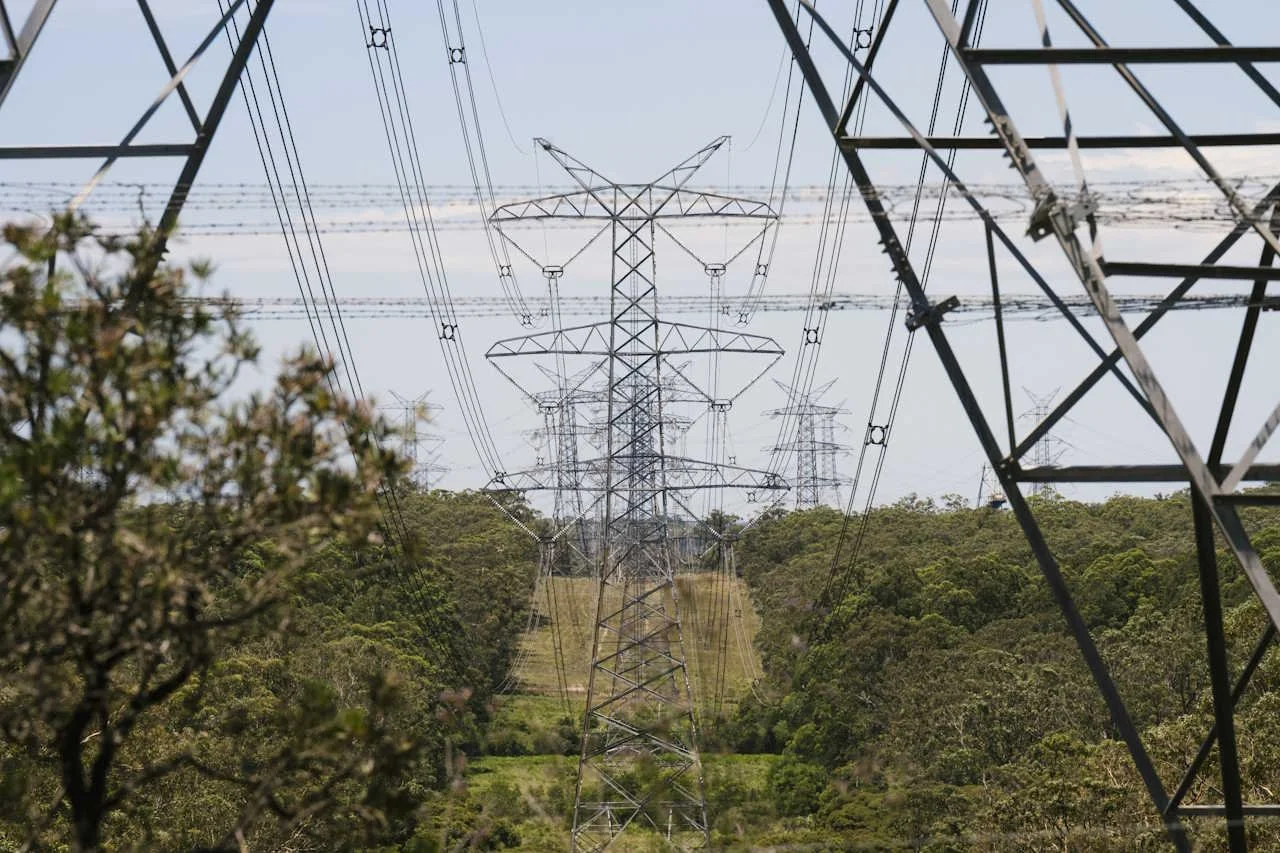
Image credit: NSW government
At 1.30pm on August 30, Australia’s energy grid took a breather as it supplied a record winter low.
This was, at least in part, because at that moment rooftop solar met 54 per cent of underlying demand in the National Electricity Market (NEM), and a staggering 99.9 per cent of demand for all of South Australia.
Six days earlier, SA Power Networks also ran its annual curtailment drill, in which it remotely instructed the solar systems of around 100,000 customers to wind their output down to zero, to ensure it could still control these systems from afar.
Spoiler alert, it could.
Both of these situations demonstrate positive progress being made towards the energy transition, and were rightfully lauded in media.
But what wasn’t mentioned in the accompanying news stories is that they also highlight a growing level of complexity characterising our energy system.
A grid with that little left to do is the hardest kind to hold steady.
Frequency control, voltage support, inertia and system strength have traditionally been provided mostly by synchronous generators. As rooftop solar pushes demand from the grid lower and the generation mix changes, more of that work needs to be done by batteries, grid-forming inverters, and synchronous condensers. At the same time, millions of distributed energy resources increasingly need to be coordinated.
Solar keeps ramping up alongside wind, batteries, and electric vehicles, while around 15 gigawatts of coal and gas generation is scheduled to retire over the coming decade.
Add to this estimates that Data Centre loads will rise to 13 per cent of the NEM by 2035-36, and one thing is clear.
The stability of our energy system will depend on coordinating and securing an increasingly complex and dynamic network that now includes a growing number of privately owned and operated devices.
So as we continue to funnel billions of dollars into renewable energy projects, transmission lines, and battery installations, we must not risk overlooking a more fundamental challenge: managing complexity.
Which is where two decades of Australian investment in quantum could start to pay off.