Meet the women elevating Australia’s next quantum leaders
Quantum Women recently ran a pilot program to elevate the voices of women in the quantum industry. Leaders say giving female scientists a seat at the quantum table is essential to prevent bias now showing up in AI. Via Forbes
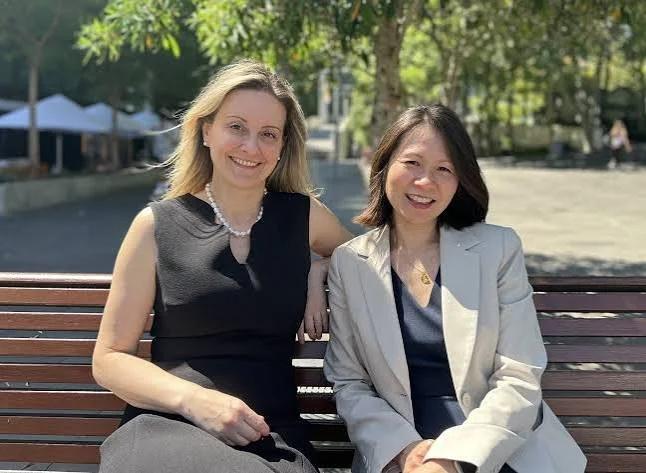
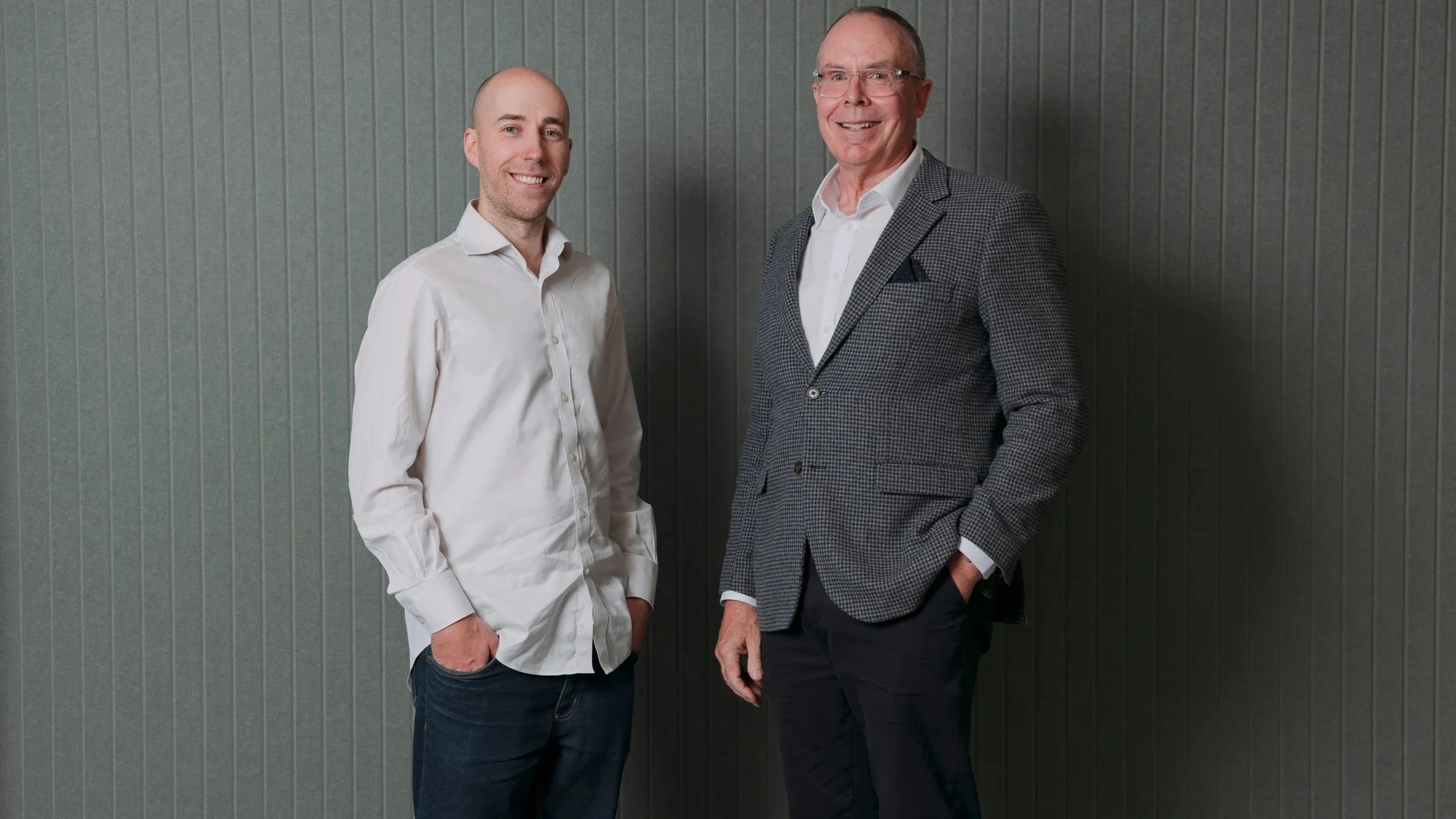
Image: Pauline Woo (R) Quantum Australia and Biliana Rajevic (Quantum Women) in Australia
As Australia races to establish itself as a global leader in quantum technology, an initiative is underway to ensure the industry doesn’t repeat the patterns of exclusion seen in the past.
Pauline Woo is the Ecosystem Development Lead at Quantum Australia. Woo frames the problem this way: “Look back at AI 10 years ago. One thing that we could have done differently is inject more diversity then, and we didn’t. I feel like quantum will have its AI moment soon, and I don’t want us to make the same mistake.”
This sense of urgency – and opportunity – is the driving force behind Elevating Quantum Women’s Voices (EQWV), an initiative by Australia’s Quantum Women organisation.
Founded in 2022, the Australian-based non-profit and professional network was created to “elevate, empower and inspire women” in STEM. It was started as a partnership with Quantum Australia – the nation’s federally funded industry growth centre.
The eight-week EQWV program focuses on three key pillars: providing mentor and training programs in quantum, facilitating career connections, and increasing visibility for women’s research.
Woo and Biliana Rajevic, who serve as co-program leads, are tackling a problem familiar to many in deep tech: supporting the growing number of women entering the field and increasing the visibility of female leadership at the top.
From the ‘wall chair’ to the boardroom table
For Rajevic, a co-founder of Quantum Women who also serves as the director of communications at Quantum Brilliance, the mission is personal. She draws a parallel to her previous career in a different male-dominated industry – finance – and describes sitting “on a chair near the wall” as opposed to actually sitting at the boardroom table.
It’s a metaphor for, as she put it, “waiting to be spoken to” and hesitating – feeling unsure if your thoughts are “important enough, relevant enough.”
The EQWV program is designed to counteract that “wall chair” mentality. “That’s what we’re trying to do,” Rajevic says. “We’re trying to tell women who work in quantum, ‘Look, you’ve earned a seat at the table. You have a PhD or a master’s in engineering… Now have the confidence to speak up.'”
This confidence gap is a recurring theme. Woo tells a story from a recent cohort of the program, which brought together 26 participants from across the quantum industry.
“About 60% of the women have a technical background,” Woo explains. “Five women came with me for a workshop at SXSW Sydney… all of them are technical… and on a form they all stated that they only know ‘a little bit’ about quantum. Can you believe that? They have PhDs in quantum, but that is how they perceive themselves.”
Bridging the ‘double translation gap’
A central challenge in quantum, and deep tech more broadly, is the “double-sided translation gap,” says Woo. This is the chasm that separates technical researchers from the non-technical end-users, investors, and managers who need to understand their work.
The EQWV program arms its participants with the communication skills needed to bridge this gap. It’s an initiative facilitated by 10 coaches and hosted by industry players—KPMG, AWS, Quantum Brilliance, Stone & Chalk, and Gilbert + Tobin, among others.
Woo offered an example of the double translation gap. One participant, a non-technical manager, needed to get a practical plan from a brilliant, highly technical researcher.
Her initial approach was to ask a broad question, like, “What do you think about this?” The researcher responded by “writing this mathematical equation that took about 45 minutes,” Woo explains.
Related articles