Australia’s Quantum Pioneer is Building Chips with Atomic Precision - and Telstra is Already Using Them
Silicon Quantum Computing cut the training time on a Telstra predictive network model from weeks to days, and proved that its systems improve as they scale: a rare feat in the field.
Image credit: Silicon Quantum Computing
Company: Silicon Quantum Computing (Sydney, NSW)
Quantum technology: Atomic-precision silicon quantum processors; quantum reservoir machine learning (Watermelon)
Industry / defence partners: Telstra, Commonwealth Bank, Schneider Electric, Transport for NSW, Australian Department of Defence
Research partner: UNSW Sydney; Centre of Excellence for Quantum Computation and Communication Technology
Programs: DARPA Quantum Benchmarking Initiative (Stage B)
Application: Quantum-enhanced predictive analytics for telecommunications; defence datacentre deployments; pathway to universal, fault-tolerant quantum computing
End user / industry application: Industries with heavy R&D including AI, telco, energy, finance, defence, pharmaceuticals and materials. The company is in market with quantum-enhanced AI systems alongside Telstra, Schneider Electric, Commonwealth Bank, Australian Defence and more.
If you ask a typical telecommunications engineer about predictive network analytics, you’ll get a list of trade-offs: more accurate forecasts mean larger models, longer training cycles, hungrier hardware and bigger bills.
Forecasting how telecommunications networks, energy systems and logistics networks will behave across Australia next week is the kind of problem where accuracy and speed count.
Sydney-based Silicon Quantum Computing (SQC) has just shown what happens when you bring a frontier computing system to those problems.
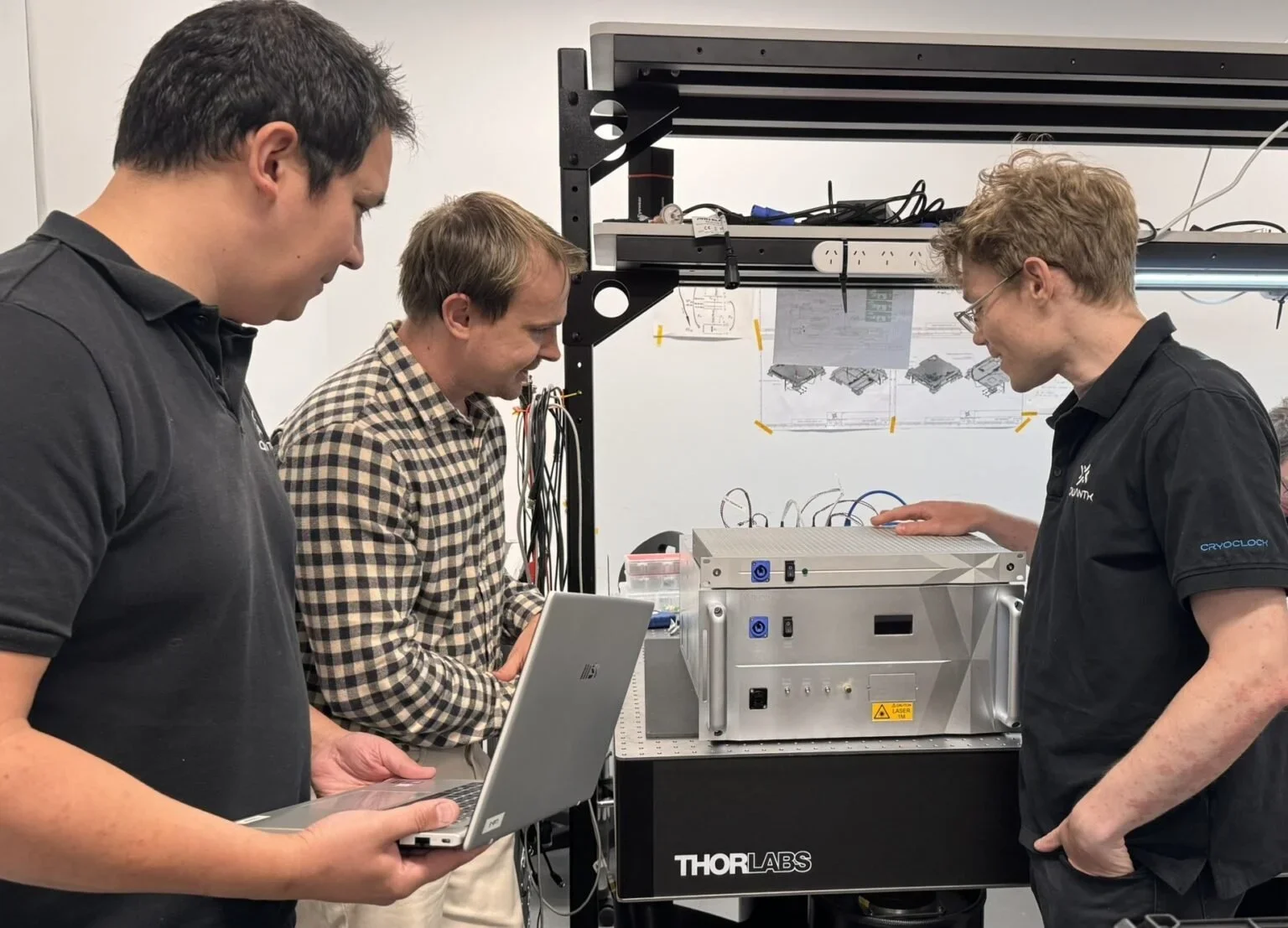
Over a 12-month joint project with Telstra, SQC engineers and Telstra’s data scientists tested SQC’s quantum reservoir computing system, Watermelon™, against Telstra’s deep-learning model for network performance forecasting.
Watermelon matched the existing model’s accuracy, but the model training took days rather than weeks.
For businesses looking to navigate soaring AI compute costs, the implications are immediate. The Telstra trial sits on top of SQC’s deeper technical story.
Founded in 2017 with $83 million in seed funding from the Commonwealth, the NSW Government, UNSW Sydney, Telstra and Commonwealth Bank, SQC was Australia’s first quantum computing company. Led by Professor Michelle Simmons AC, the 2018 Australian of the Year, SQC is now chaired by former Arm CEO Simon Segars. It is the only private company in the world that manufactures its own quantum chips using an atomic precision process developed over 25 years that places phosphorus atoms in pure silicon wafers with 0.13 nanometre accuracy.
In late 2025, SQC published results in Nature showing a multi-qubit, multi-register silicon processor achieving fidelities up to 99.99% and, crucially, demonstrating that qubit quality improved as the system scaled, breaking the trade-off between size and fidelity that has plagued the field.
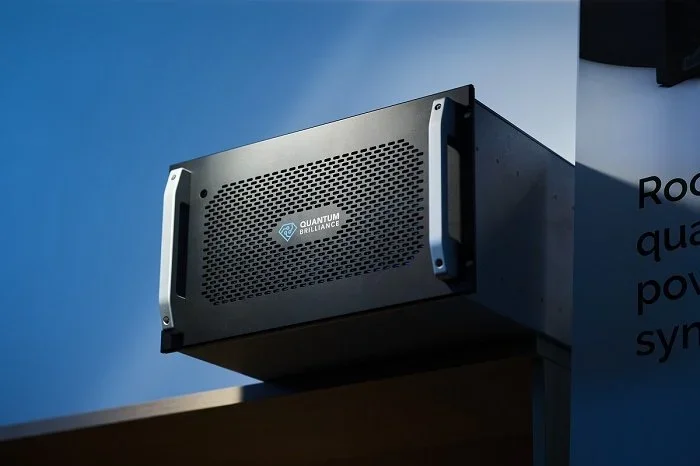
Beyond Telstra, SQC has sold a rack-mounted system to the Australian Department of Defence for deployment in a datacentre environment, has Transport for NSW and Commonwealth Bank among its end-user clients, and has progressed to Stage B of DARPA’s Quantum Benchmarking Initiative alongside Diraq.
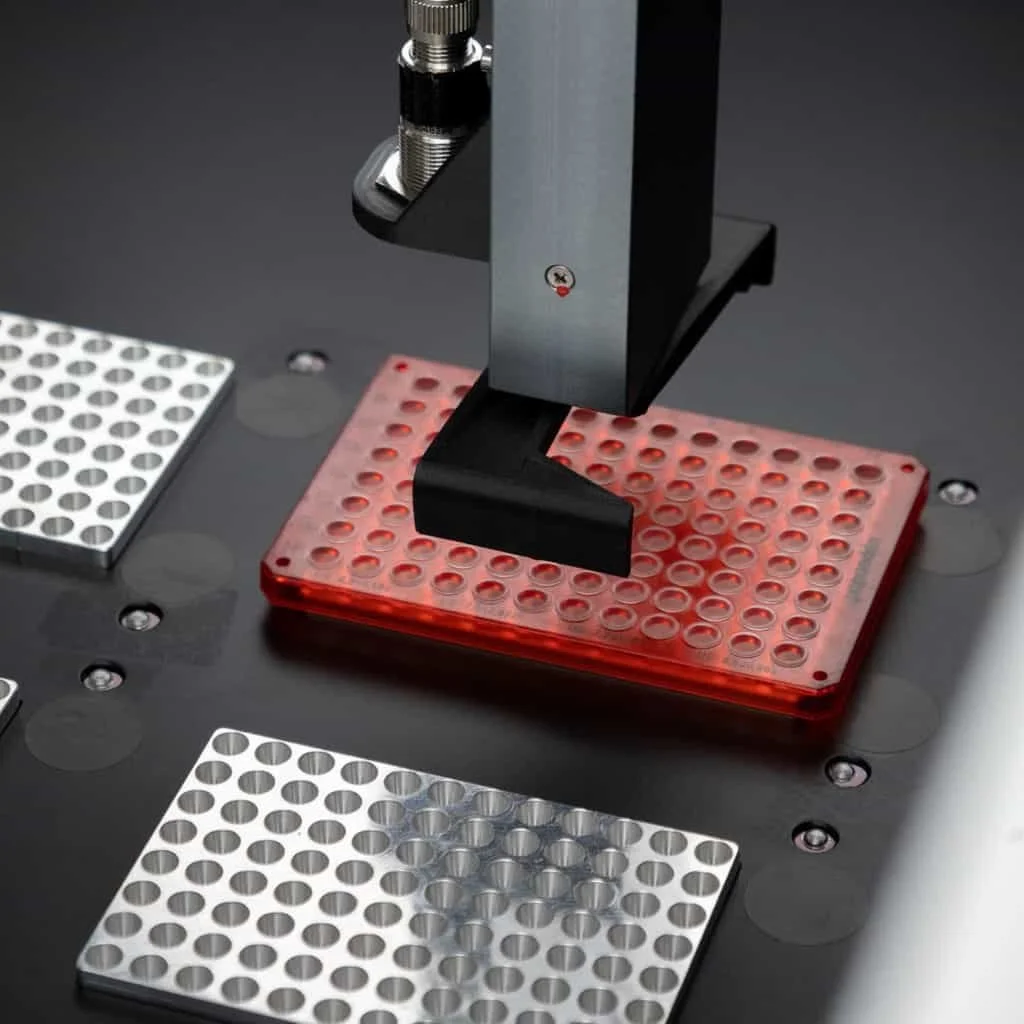
SQC holds more than 200 patents and has authored more than 250 peer-reviewed papers. Its in-house manufacturing process, PAQMan™, enables the company to design, fabricate and test new chip designs in as little as one to two weeks - a speed of iteration most competitors measure in months.
“What makes the Telstra result exciting is that we’re demonstrating commercial value with our application-specific quantum systems today. Combined with what we’ve shown with the exquisite quality of our qubits, SQC is on a clear path to a universal, fault-tolerant quantum computer. And we’re building it here in Australia with Australian IP and Australian industry partners.”
Related Use Cases