The World’s Most Precise Clock is Now Guarding Australia’s Northern Approaches
Adelaide-based QuantX Labs has commercialised quantum-grade timing technologies as part of Australia’s over-the-horizon defence radar upgrade, enabling it to see further, and hardening critical infrastructure against GPS disruption. Their timing is impeccable, as Australia and its allies focus on dependable radar, navigation and communication.
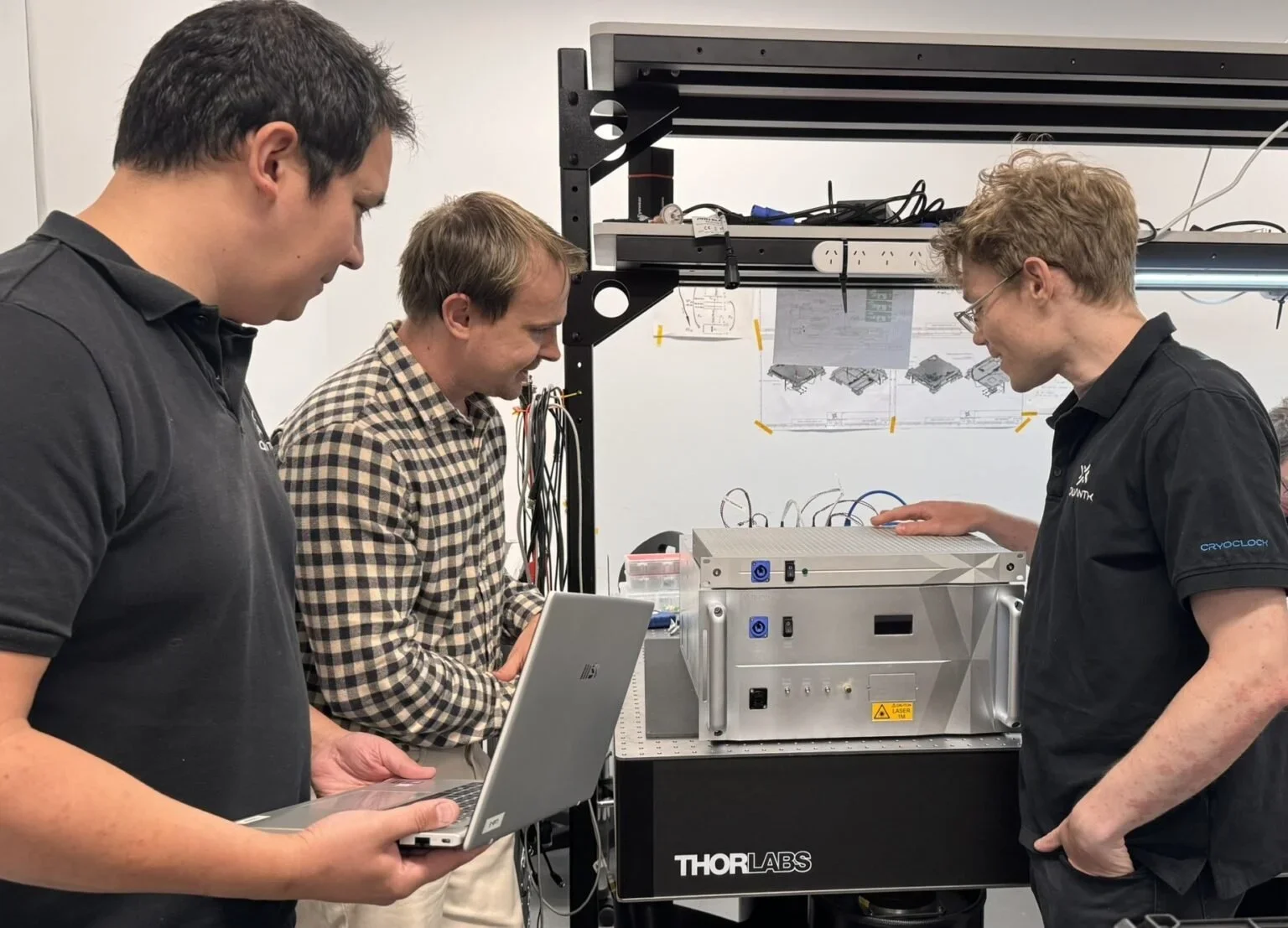
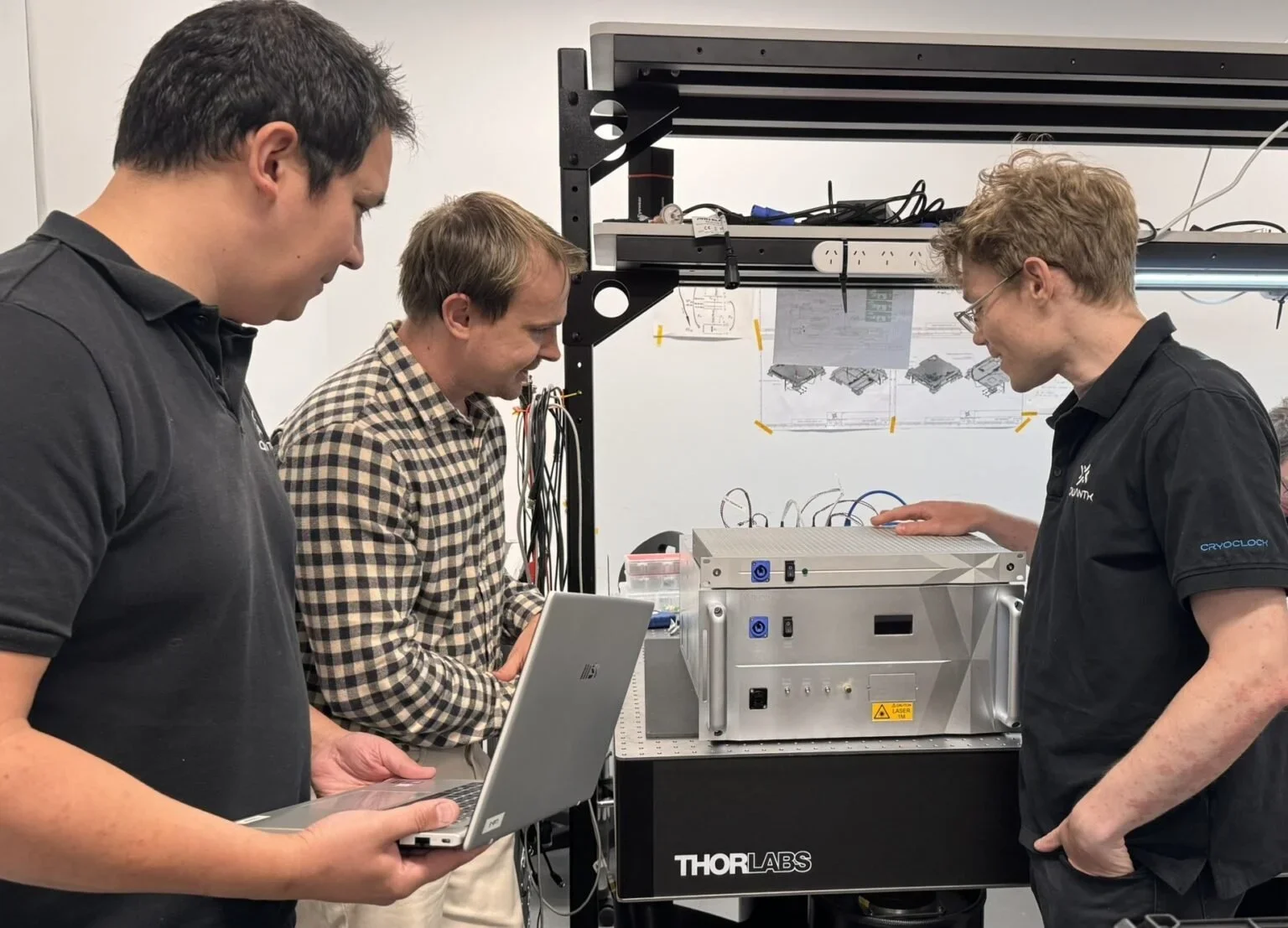
Image: From left: Dr Sebastian Ng, Head of Positioning, Navigation, and Timing at QuantX Labs; Adelaide University PhD researcher Lachlan Pointon; and Dr Reuben Harding, Senior Physicist at QuantX Labs, with QuantX Labs optical atomic clock. Credit: The Advertiser
Company: QuantX Labs (Adelaide, SA)
Quantum technology: Cryogenic sapphire oscillators (CRYO) and portable optical atomic clocks (TEMPO)
Industry / defence partners: BAE Systems Australia, Defence Science and Technology Group, Australian Space Agency, AUKUS Pillar II
Research partner: Adelaide University, Institute for Photonics and Advanced Sensing (IPAS); Defence Trailblazer
Application: Sovereign precision timing for the Jindalee Operational Radar Network, AUKUS partners, GPS-denied operations and space payloads
End user / industry application: Defence, space and critical infrastructure - precision timing for radar, navigation and resilient communications, in partnership with BAE Systems Australia and the Defence Science and Technology Group (DSTG).
Almost every system that keeps a modern economy running - power grids, telecommunications networks, financial trading, satellite navigation - depends on time. Not the wall-clock kind, but ultra-precise timing signals delivered to the nanosecond or less. Today, most of that timing is sourced from GPS and other global navigation satellite systems, creating a single, fragile point of failure. If those signals are jammed, spoofed or simply unavailable, the consequences cascade fast: radars lose accuracy, networks fall out of sync, and operations in contested or remote environments grind to a halt.
That makes the latest products from QuantX Labs timely. There’s a national need for robust and secure systems to detect threats and protect navigation.
QuantX Labs, in partnership with the Adelaide University’s Institute for Photonics and Advanced Sensing (IPAS), is building the sovereign answer.
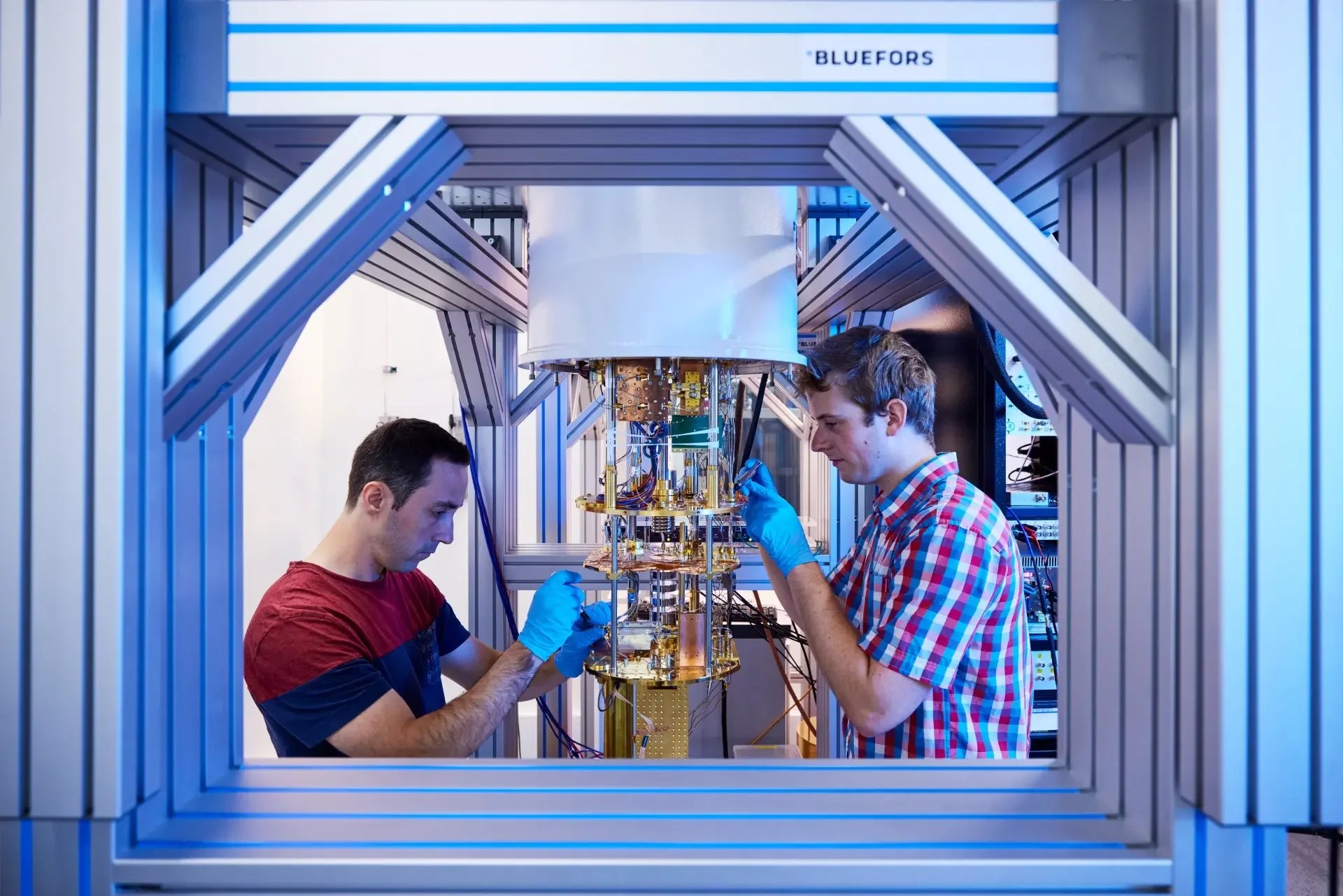
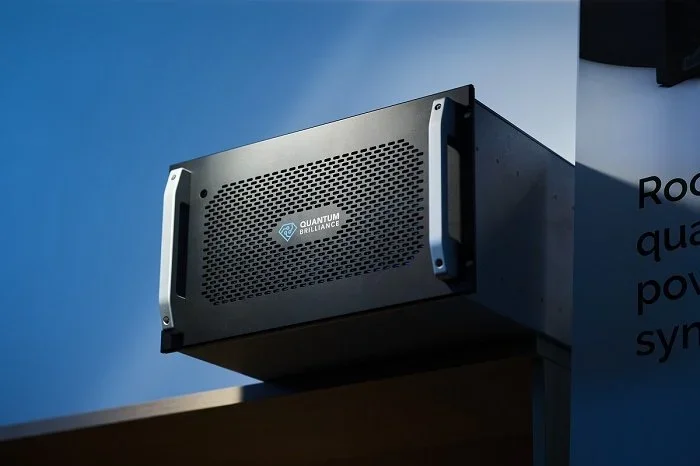
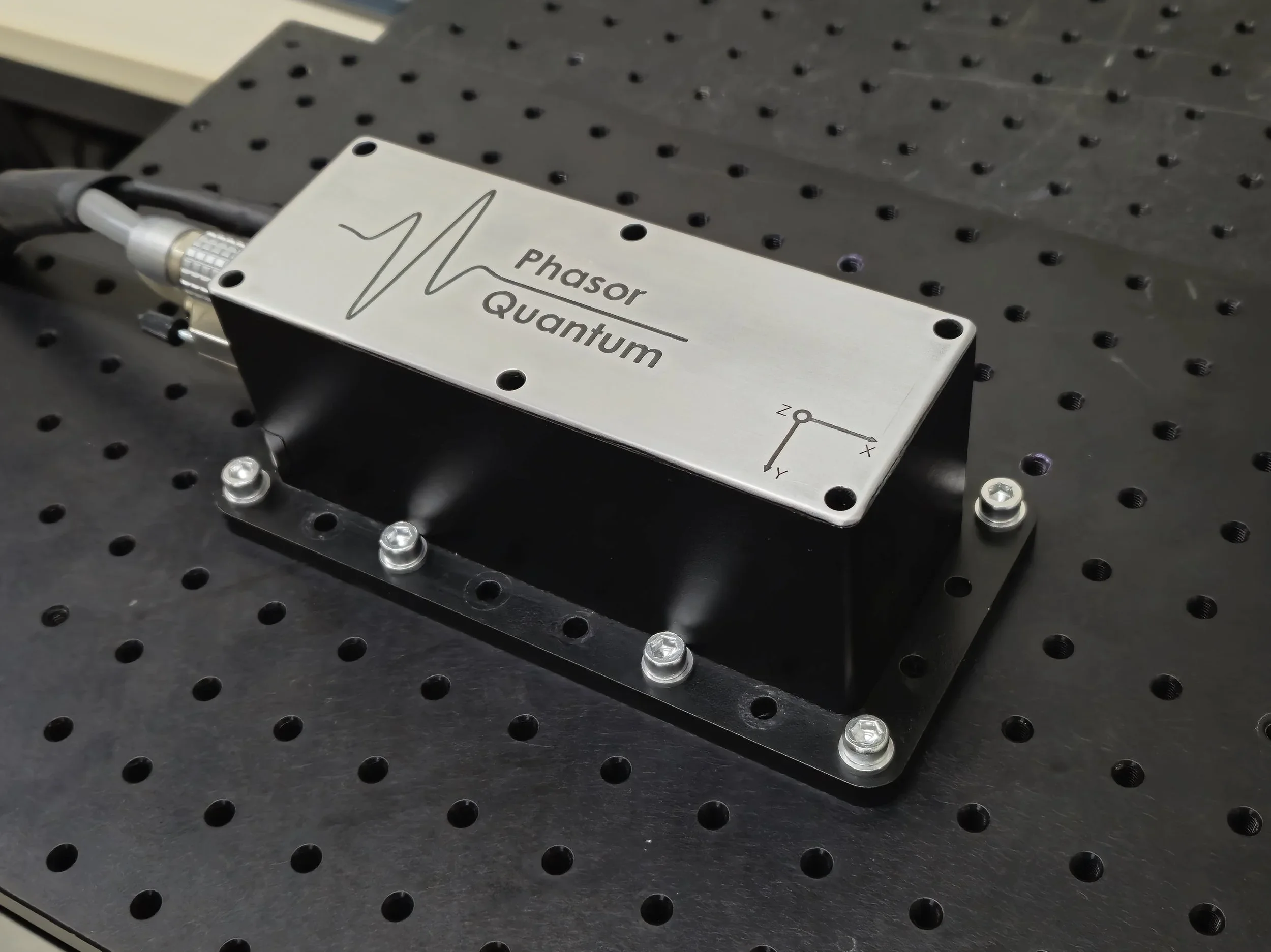
Founded in 2016 by Professor Andre Luiten and Dr Martin O’Connor, the company has developed two world-leading quantum-enabled timing products. CRYO uses a sapphire crystal cooled to around six degrees above absolute zero to generate the purest microwave signal in the world - an order of magnitude improvement on conventional atomic clocks. It’s newer QuantX TEMPO optical atomic clock, the result of more than seven years of R&D, delivers similar leaps in performance in a portable, deployable package, a component of which is now being trialled in orbit following a SpaceX launch in March 2026.
The CRYO has been commercialised for the Australia’s Jindalee Operational Radar Network (JORN) Phase 6 upgrade, through a multi-year partnership with BAE Systems Australia. JORN is the over-the-horizon radar system that provides wide-area surveillance at ranges of 1,000 to 3,000 kilometres and plays a vital role in supporting the Australian Defence Force’s air and maritime operations, border protection, disaster relief and rescue operations. The precision of its timing signal directly determines how small and how distant a target it can detect.
By replacing conventional oscillators with QuantX’s quantum-enabled hardware, the upgraded radar has the potential to see further and resolve smaller objects, a step-change in situational awareness for the Australian Defence Force. The market may be about to double. Earlier this year the Canadian government asked BAE to tender to build a similar system to protect Canada’s Arctic approaches.
QuantX is also delivering optical atomic clocks (QuantX TEMPO) under the AUKUS Pillar II program, a mobile precision-timing testbed to DSTG Edinburgh, and a clock satellite payload through the Australian Space Agency’s Moon to Mars Initiative. With around 45 staff at Adelaide’s Lot Fourteen innovation precinct, in 2025 the company signed first commercial sales worth more than $2.7 million with the Department of Defence and is building toward an export-ready product line. A recently completed Defence Trailblazer project with Adelaide University has further matured the technology, reducing technical risk on the path to next-generation deployable clocks.
The potential markets go well beyond defence. Resilient sovereign timing underpins quantum-secured communications, future hybrid quantum-classical networks, and any sector where GPS dependency is a strategic vulnerability - from energy and finance to autonomous transport.
“Time is the one input every critical system relies on, and right now most of the world rents it from a handful of
satellites overhead.
What we’re building gives Australia and our allies the ability to generate that timing signal ourselves, on the ground, in the air, and in space - with a precision that opens up entirely new capabilities in radar, navigation and critical infrastructure.
The Department of Defence sales is proof that quantum timing is not a research curiosity. It’s operational technology.”
Related Use Cases