Scaling Quantum Computing to Power Australia’s Energy Future
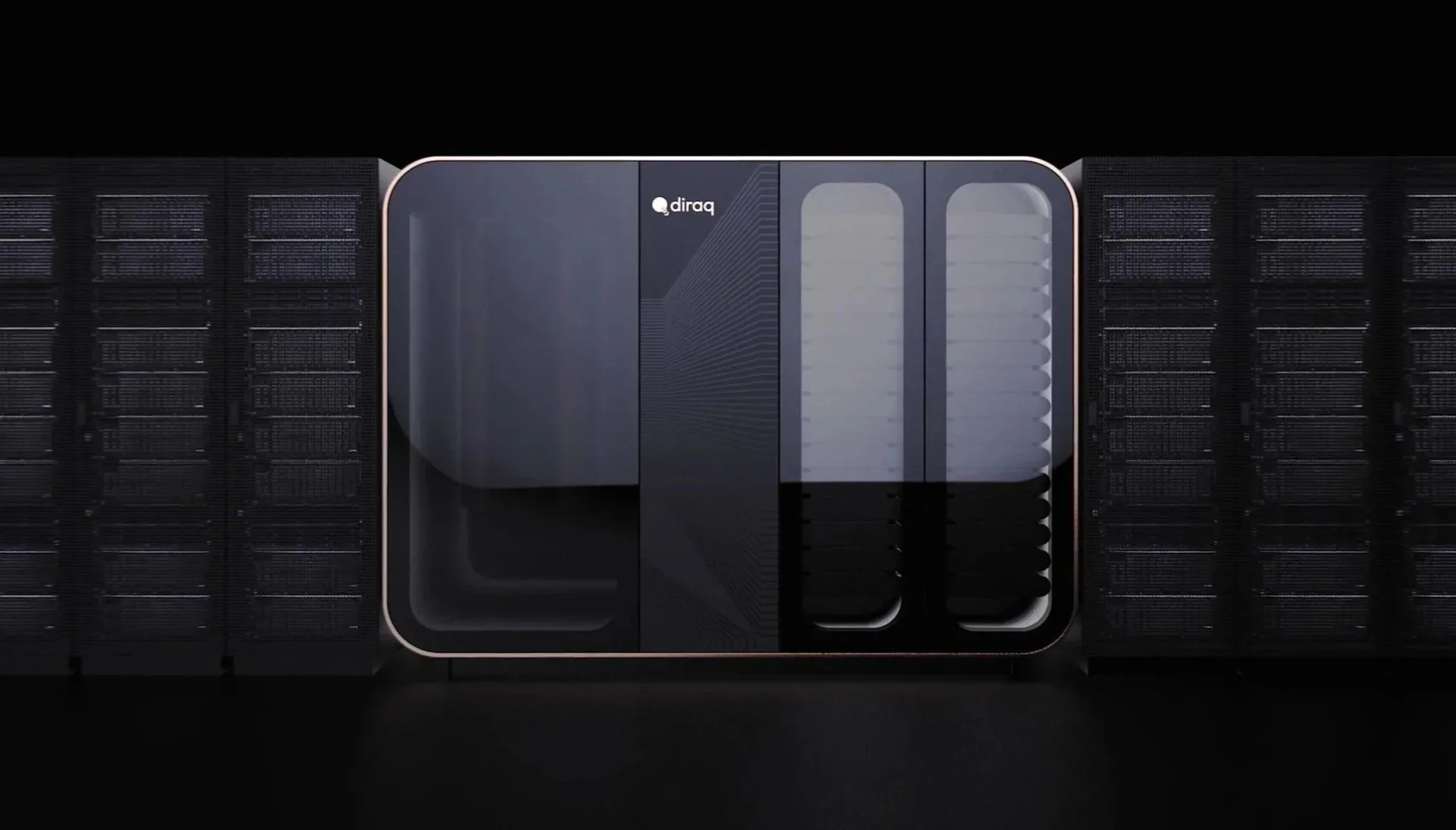
Diraq is building the world’s first utility-scale quantum computer using today’s scalable silicon manufacturing technology. DARPA is backing their plans for commercial scale systems. And Australia’s energy market operator is exploring how these systems could solve the increasing complex calculations needed to maintain stable energy supplies.
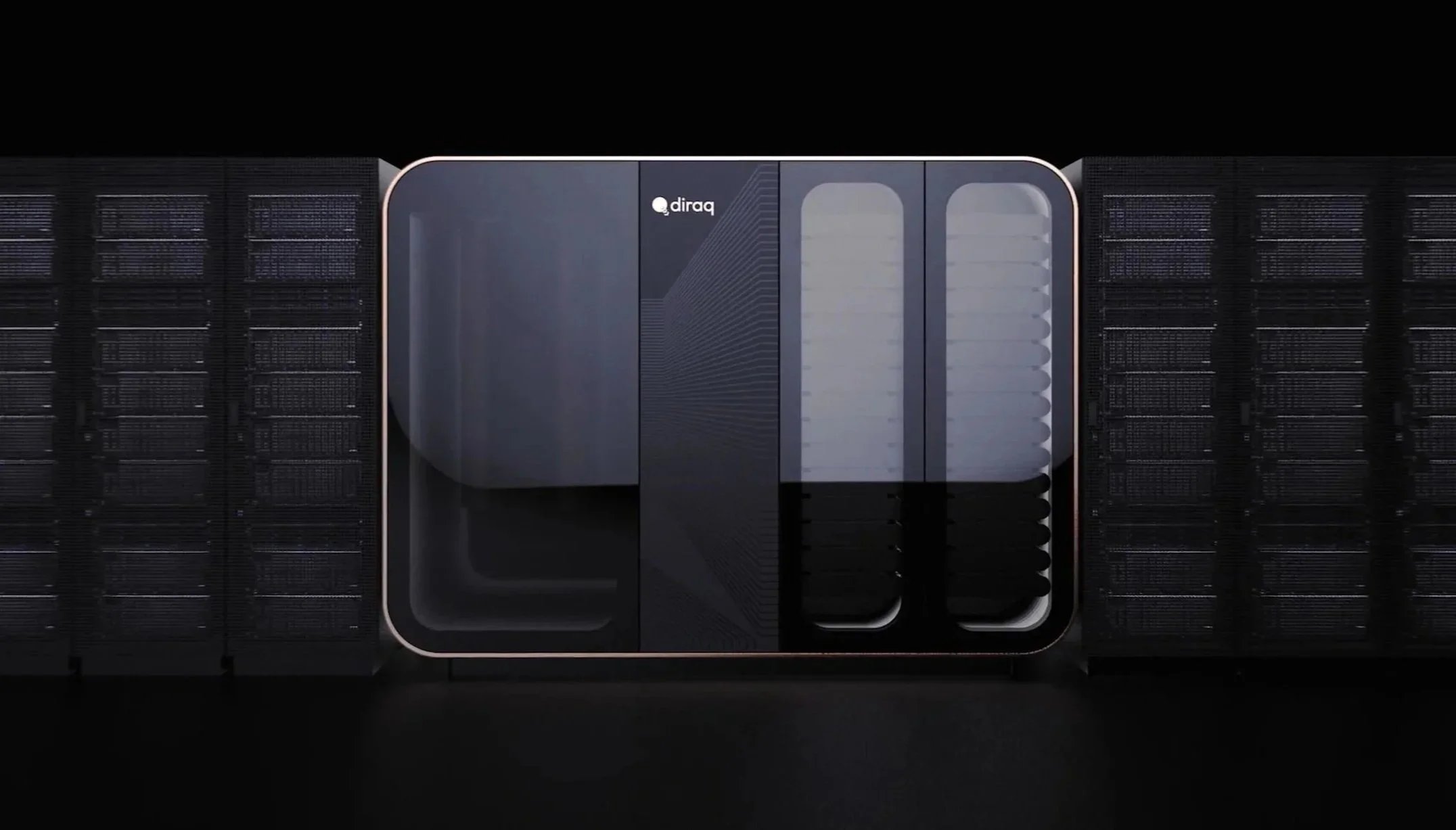
Image credit: Diraq
Company: Diraq (Sydney, NSW; with operations in Melbourne, Palo Alto, Los Angeles and Chicago)
Quantum technology: Silicon CMOS spin qubits - utility-scale quantum computing on standard semiconductor manufacturing
Industry / research partners: AEMO, UNSW Sydney, Macquarie University, OPAL-RT Technologies, GlobalFoundries, imec, Dell Technologies, Nvidia
Programs: DARPA Quantum Benchmarking Initiative (Stage B); Critical Technologies Challenge Program; National Reconstruction Fund
Application: Scalable quantum processors and near-term quantum optimisation for Australia’s electricity networks
End user / industry application: Energy markets, defence and high-performance computing - silicon CMOS quantum processors, in partnership with the Australian Energy Market Operator (AEMO), DARPA, GlobalFoundries and imec.
The headline numbers in quantum computing are getting larger, but the real engineering question is whether any of it will scale.
Useful quantum computers will need millions of qubits, all operating with extraordinary precision, all integrated with classical control electronics, all manufactured cost-effectively enough to deploy.
Most of today’s leading approaches struggle with that equation.
Sydney-based Diraq has a different answer: build qubits using the same silicon CMOS process that the global semiconductor industry has spent more than 50 years and trillions of dollars perfecting.
Founded by Professor Andrew Dzurak out of UNSW Sydney, Diraq encodes quantum information in the spin of single electrons trapped in modified silicon transistors. Each qubit is small enough that, in principle, billions can fit on a single chip - and the company’s long-term roadmap targets total costs below one dollar per qubit.
That ambition recently passed a critical test.
In collaboration with European nanoelectronics institute imec, Diraq demonstrated that its silicon spin qubits, when fabricated in a commercial semiconductor foundry rather than a research lab, consistently exceed 99% fidelity on two-qubit operations - a level regarded as significant for many fault-tolerant quantum computing approaches.
The result, published in Nature, is one of the strongest signals yet that a foundry-scale manufacturing path to large quantum systems is possible.
Diraq has now advanced to Stage B of the US Defense Advanced Research Projects Agency’s Quantum Benchmarking Initiative, leading an Australia–UK–US consortium tasked with proving that utility-scale quantum computing is achievable by 2033.
While the long-term goal is global, the near-term applications are already domestic.
Through the Australian Government’s Critical Technologies Challenge Program, Diraq is leading a consortium with the Australian Energy Market Operator (AEMO), UNSW Sydney, Macquarie University and OPAL-RT Technologies to investigate how quantum computers can improve the optimisation of Australia’s increasingly complex electricity networks.
As the grid absorbs more renewables, more storage and more distributed generation, the optimisation problems facing AEMO are growing exponentially harder. Quantum-enhanced algorithms, integrated with real-time simulation tools, could reshape how that grid is planned and run.
Diraq has also recently secured a $20 million equity investment from the National Reconstruction Fund Corporation to anchor advanced quantum manufacturing in Australia, expanded its operations to Melbourne, Palo Alto, Boston and Chicago, and signed partnerships with Dell Technologies, GlobalFoundries and Nvidia.
“The whole quantum industry is asking the same question: how do you scale? Our answer has always been the same - use the manufacturing platform that already scales to billions of devices a day. Showing that we can hit fault-tolerant fidelity on chips coming out of a commercial foundry is the moment that argument stops being theoretical. And our work with AEMO is just as important. It’s where we prove that quantum computing has something to say about problems Australia cares about, today.”
Related Use Cases